Reliable Obesity Solutions with Bariatric Surgical Stapling.
Performed at accredited centers, bariatric procedures show complication rates comparable to or lower than those for cholecystectomy and hip replacement, according to the JAMA Surgery journal and Annals of Surgery. For many adults, metabolic surgery is a safe path to durable weight control and comorbidity remission.
Modern techniques—including sleeve gastrectomy, Roux-en-Y gastric bypass, and duodenal switch—are built on Bariatric Surgical Stapling. These operations alter the stomach and intestines to curb hunger, boost fullness, and enhance glucose and lipid metabolism. With laparoscopic or robotic approaches, patients typically experience less pain, shorter hospital stays, and quicker recovery.
With the right surgical endoscopic stapler devices and tools for morbid obesity surgery, teams can create precise pouches and connections that withstand real-life use. Benefits are substantial: within two years, many patients shed ≥50% of excess weight. Type 2 diabetes, hypertension, sleep apnea, and NAFLD commonly improve. Yet, these care pathways require ongoing follow-up, nutrition planning, and vitamin supplementation for long-term success.
All operations entail risks such as bleeding, infection, anesthesia reactions, thrombosis, and leaks. Still, outcomes remain strong with accredited teams and structured planning. Here we show how technique, technology, and training together make metabolic surgery effective and safe.
- Accredited centers consistently show low complications and robust safety.
- Precise, durable connections via Bariatric Surgical Stapling are central to modern techniques.
- Common options include sleeve gastrectomy, gastric bypass, and duodenal switch, with SADI-S as a newer choice.
- Laparoscopic/robotic methods reduce pain, trim stays, and speed recovery.
- By two years, many lose ≥50% excess weight with notable disease improvements.
- Lifelong follow-up, nutrition, and proper device/tool use drive success.
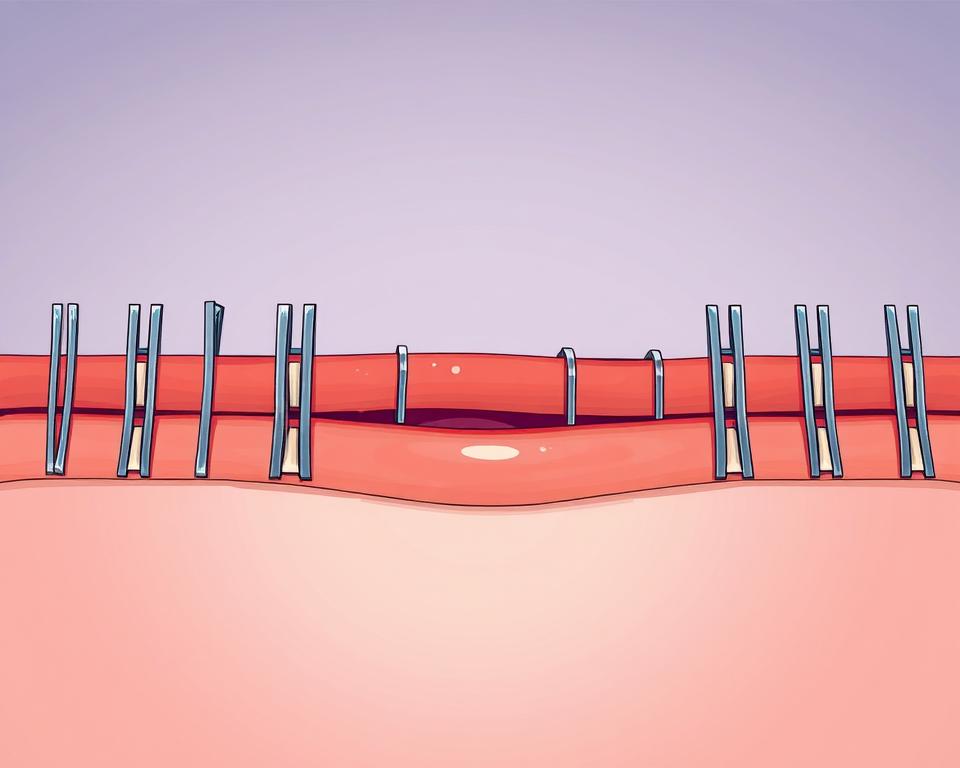
Why Safety Matters and What Bariatric Surgery Treats
Bariatric procedures aim to address more than just weight; they seek to diminish the impact of obesity-related diseases, safeguarding long-term health. Safe outcomes start with rigorous screening and advanced tools at accredited facilities.
Obesity-related diseases improved by surgery
Control of type 2 diabetes, hypertension, and dyslipidemia often gets better. As weight falls and anatomy changes, sleep apnea and GERD frequently improve. Many also witness improvements in nonalcoholic fatty liver disease, including NASH, and relief from osteoarthritis pain.
Evidence shows reduced risks of heart disease, stroke, and select cancers (breast, endometrial, prostate) after surgery. Patients also report better energy, mobility, and daily function.
When lifestyle change isn’t enough
The first-line approach is diet, exercise, and medication. Surgery is considered when serious comorbidities persist or weight returns despite diligent efforts. It serves as a tool, not a definitive solution, and is most effective with sustained nutrition, physical activity, and follow-up care.
Clear expectations are essential. Structured programs combine behavioral modification with lasting results, supported by validated pathways and suitable bariatric surgery tools.
Team-based care improves safety
A multidisciplinary bariatric team—comprising surgeons, obesity medicine specialists, bariatric anesthetists, clinical nurse specialists, psychologists, pharmacists, and dietitians—coordinates care from evaluation to recovery. They optimize diabetes, sleep apnea, and cardiorespiratory or renal issues before surgery.
Standardized protocols, checklists, and modern tools at accredited centers ensure safety. Continuous follow-up, nutrition guidance, and medication review are essential to maintain weight loss and prevent the recurrence of obesity-related diseases.
Modern Minimally Invasive Techniques and Stapling Technology
Moving from open surgery to minimally invasive approaches has transformed bariatric care. Utilizing small ports, high-definition cameras, and precise dissection techniques, these advancements significantly reduce recovery time and pain. Surgical linear stapler instruments are vital for creating safe, consistent tissue connections throughout the case.
Advances from the 1990s have enabled complex reconstructions such as Roux-en-Y gastric bypass, duodenal switch, and SADI-S, improving safety profiles.
Why laparoscopic and robotic methods speed recovery
Most bariatric surgeries now employ laparoscopy, requiring only five or fewer small incisions. The use of a camera-equipped laparoscope ensures clear views, facilitating precise tissue handling and stable stapling. Robotic systems, provided by Intuitive and Medtronic, offer wristed control and ergonomic comfort, potentially reducing surgeon fatigue and improving consistency.
Compared with open surgery, these methods typically reduce blood loss and length of stay. Patients often ambulate the same day and discharge after a short stay.
Stapling technology: laparoscopic and endoscopic
Stapling systems from Ethicon and Medtronic power key steps in sleeves and bypasses. Reloads matched to tissue thickness promote hemostasis and clean transection. Selected cases use endoscopic stapling/suturing to reduce gastric volume without external incisions.
Minimally invasive stapling tools enable surgeons to create pouches and join bowel segments with controlled compression and uniform rows, resulting in a secure platform for healing and reduced operative time.
General anesthesia and minimally invasive stapling
These operations are performed in accredited hospitals under general anesthesia with continuous monitoring. Typical case times range from one to three hours, followed by observation in the post-anesthesia unit and a short stay on the surgical floor.
Anesthesia teams coordinate with the surgeon to time key steps around the use of surgical linear cutting stapler instruments. Care pathways emphasize early ambulation, multimodal analgesia, and safe discharge.
| Approach | Primary Tools | Anesthesia | Typical Benefits | Common Settings |
|---|---|---|---|---|
| Laparoscopic | laparoscopic stapling devices, camera-equipped laparoscope | General anesthesia | Less pain, lower blood loss, shorter stay | Hospital OR (ERAS) |
| Robotic-assisted | surgical stapling instruments mounted on robotic arms | General anesthesia | Enhanced dexterity, stable visualization | Robotic OR with trained console team |
| Endoluminal | endoluminal stapling/suturing systems | General anesthesia or deep sedation | Rapid recovery, no external incisions | Endoscopy suite/hybrid OR |
| Hybrid | stapling tools plus adjunct suturing | General anesthesia | Flexible workflow, tailored handling | High-volume bariatric centers |
Bariatric Surgical Stapling
Bariatric Surgical Stapling entails precise, repeatable sealing of the stomach and bowel. Using stapling devices, surgeons divide tissue, achieve hemostasis, and form secure joins—key for safe recovery and consistent results.
Role of surgical stapling devices in creating pouches and anastomoses
In sleeve gastrectomy, staplers remove most of the stomach, leaving a narrow sleeve. For gastric bypass, a small pouch, similar in size to an egg, is created and connected to the intestine. This process utilizes a calibrated cartridge and tissue compression to ensure uniform rows and reliable anastomoses.
Teams choose a gastric bypass stapler and select reloads based on the patient’s tissue, ensuring workflow accuracy and stable perfusion at the staple line.
Linear stapler and linear cutting stapler applications
A linear stapler places parallel rows to close or join tissue without cutting it, while a linear cutting stapler staples and divides in one step—facilitating speed and control in sleeve creation and jejunal connections.
During pouch creation and limb construction, the linear cutting stapler helps with maintaining alignment and reducing manipulation, promoting clean transection planes with consistent compression times.
Staple-line consistency, hemostasis, and leak prevention
Consistent staple formation is essential for hemostasis and leak prevention. Key steps include verifying thickness, matching cartridge, and allowing full compression prior to firing.
Closure is reinforced through technique: gentle handling, staple B-form inspection, and targeted oversewing when necessary. Using appropriate linear, linear-cutting, and gastric bypass staplers helps produce uniform lines that minimize bleeding/leaks and preserve perfusion.
Which Patients Qualify for Metabolic and Bariatric Procedures
Eligibility is determined by medical necessity, safety, and readiness for lifestyle changes. Centers like Cleveland Clinic and Mayo Clinic assess BMI, health history, and personal goals, verify insurance coverage, and ensure a commitment to long-term follow-up before surgery.
BMI thresholds and obesity-related comorbidities
BMI ≥40 typically qualifies. Those with a BMI of 35–39.9 and serious conditions like type 2 diabetes, hypertension, or severe obstructive sleep apnea are also eligible.
For individuals with a BMI of 30–34 and uncontrolled metabolic disease, consideration may be given, aligned with guidelines and requiring evidence of supervised attempts.
Insurance considerations and long-term follow-up
Coverage varies (private, Medicare, Medicaid); confirm criteria, authorization, and costs.
Post-surgery, patients must adhere to a rigorous follow-up regimen with clinic visits, nutrition counseling, and labs to monitor vitamin/mineral levels and adjust medications for diabetes, sleep apnea, and blood pressure.
Pre-op optimization and stopping nicotine
Pre-op workup: labs, ECG, selective imaging; activity/diet changes to optimize diabetes, OSA, and cardiac status.
Complete nicotine cessation is imperative; centers (e.g., Kaiser Permanente, NYU Langone Health) verify abstinence to protect healing and reduce complications.
How Stapling Works in Sleeve Gastrectomy
Sleeve gastrectomy transforms the stomach into a narrow tube while preserving the pylorus. Using a bougie, surgeons staple to a target diameter often <2 cm, supporting efficient cases and shorter stays.
About 80% gastric resection using staplers
Staplers divide and remove the fundus/greater curvature (~80%), forming a uniform banana-shaped sleeve. Select centers use endoscopic staplers for challenging anatomy to enhance control.
Consistent compression across variable thickness promotes hemostasis, target lumen, and reduced bleeding.
Impact on ghrelin, hunger, and fullness
Because the fundus produces most ghrelin, resection reduces hunger and increases early satiety. These shifts, with a smaller reservoir, drive steady intake reduction and better glucose patterns.
Average excess weight loss is ~50–60% at one to two years, with durability depending on diet quality, activity, and follow-up.
Managing reflux after sleeves
As the stomach becomes a tight tube, intraluminal pressure can rise and provoke/worsen reflux; patients with significant GERD often consider Roux-en-Y gastric bypass, which tends to improve reflux.
Careful sizing, attention to the incisura angularis, and reinforcement choices during stapling aim to reduce reflux triggers; for very high BMI, a staged sleeve with later bypass or SADI-S is an option.
| Step | Technique Detail | Role of Stapling | Clinical Rationale |
|---|---|---|---|
| Calibration | Bougie or sizing tube placed along lesser curvature | Guides target diameter | Promotes uniform lumen and predictable restriction |
| Fundus Mobilization | Short gastric vessels divided to free the fundus | Straight staple-line trajectory | Full fundus resection lowers ghrelin |
| Sequential Firing | Sequential firing antrum→angle of His | Provides compression, cutting, and simultaneous sealing | Targets hemostasis and consistent sleeve contour |
| Assessment | Leak test and inspection of staple integrity | Confirms outcomes of bariatric surgical stapling | Reduces bleeding/leak risk |
| Reflux Mitigation | Avoid torsion; respect incisura | Stable line promotes straight, low-turbulence channel | Seeks to limit reflux and dysmotility |
Stapling in Gastric Bypass and Loop Bypass Procedures
Surgeons employ precise stapling to craft small stomach pouches and secure bowel connections; modern laparoscopic devices standardize steps while allowing customized limb lengths.
Creating the gastric pouch with a gastric bypass stapler
A gastric bypass stapler forms a ~30–40 mL pouch, divided from the remnant by a durable staple line.
Vertical loads along the lesser curvature yield a narrow, uniform pouch for early satiety and dependable emptying.
Roux-en-Y anastomoses and leak prevention
In RYGB, the jejunum is divided; the pouch connects to the alimentary limb, and biliopancreatic flow rejoins 3–4 feet downstream to form the Y—combining restriction with controlled malabsorption.
Leak risk is mitigated via reinforcement, tension-free alignment, and perfusion checks, with laparoscopic stapling devices preserving tissue blood flow.
Bile reflux in one-anastomosis gastric bypass
OAGB uses a longer pouch and a single loop anastomosis; while effective for weight loss, continuous bile flow can reach the pouch/esophagus.
Monitoring, limb-length adjustments, selection, and endoscopic follow-up—plus meticulous stapling—help control bile reflux while maintaining efficacy.
- Technique focus: gentle handling, calibration, staple-line checks
- Configuration choices: RYGB for reflux; OAGB for simplicity
- Tools: tissue-matched loads for consistent formation
Advanced Malabsorptive Options Utilizing Stapling
In very high BMI or revision scenarios, malabsorptive options leverage precise stapling to reshape the stomach and reroute intestine, changing absorption.
Biliopancreatic Diversion With Duodenal Switch (DS)
DS combines a sleeve with long bypass for profound loss and potent diabetes remission, with risks of diarrhea, reflux, and macro/micronutrient deficits.
Experienced teams use staplers to form the sleeve and duodenal anastomosis with consistent lines; close follow-up supports meal planning, hydration, and labs to manage long-term nutrition.
Single-Anastomosis Duodeno-Ileal Bypass With Sleeve (SADI-S)
SADI-S begins with a sleeve and creates one duodeno-ileal anastomosis, simplifying steps versus classic DS while preserving strong metabolic effects; early data show meaningful loss and improved glycemia with somewhat fewer deficiencies.
Care teams rely on staplers to standardize compression and hemostasis; patients should expect structured nutrition visits and routine labs because SADI-S remains malabsorptive.
Supplements, absorption, and risks
Reduced contact between food and absorbing bowel decreases calories but also limits fat-soluble vitamins, iron, calcium, and protein; daily supplementation and periodic checks for A, D, E, K, B12, folate, zinc, and copper are central.
Teams counsel on bowel habit changes, hydration, and reflux management after DS or SADI-S; with reliable staplers and tight follow-up, patients navigate the balance of benefits and risks.
Alternatives: Endoscopic/Laparoscopic Suturing and Stapling
Several less invasive options employ suturing and emerging tools to reduce stomach volume without permanent intestinal rerouting, suitable for outpatient care or as transitions to surgery.
Endoscopic sleeve gastroplasty and endoscopic stapler roles
ESG uses full-thickness sutures to shrink capacity (up to ~70%); some cohorts reach ~60% EWL, typically lower than surgical sleeves.
Endoluminal stapling/suturing aims for standardization, sometimes avoiding general anesthesia; durability is under active study.
Laparoscopic gastric plication and durability considerations
Gastric plication sutures inward folds; loss tends to be modest, with reports of higher complications and revisions (obstruction/loose folds).
Variable durability limits adoption/funding; reserved for carefully selected, well-counseled patients.
Temporary intragastric balloons
An intragastric balloon is placed endoscopically and filled with 500–750 mL saline (often dyed) for ~6 months, yielding ~30% EWL with coaching.
Deflation/migration may cause obstruction requiring urgent surgery; candidates often seek short-term loss (e.g., pre-op joint replacement, fertility) or are unfit for definitive surgery.
| Therapy | Mechanism | Anesthesia Setting | Typical Course | Expected Weight Loss | Key Risks | Best-Suited Patients |
|---|---|---|---|---|---|---|
| Endoscopic sleeve gastroplasty | Endoscopic suturing/stapling to reduce volume | Endoscopy suite; deep sedation or no general anesthesia | Outpatient with structured program | Variable; up to ~60% EWL | Suture loosening, reflux, rare bleeding/perforation | Prioritizes low morbidity/no scars |
| Laparoscopic gastric plication | Seromuscular folding and suturing of greater curvature | General anesthesia in OR | Same-day or overnight; diet progression | Modest loss; durability varies | Obstruction from folds, nausea, need for revision | Highly selected patients |
| Intragastric balloon | Temporary saline-filled device | Sedated endoscopy | ~6 months then removal | ~30% EWL with intensive support | Migration/obstruction, intolerance | Short-term/prehab or unfit for surgery |
When paired with coaching, these modalities help satiety and portion control; counseling should compare ESG, plication, and balloons against surgical options and the patient’s profile.
Risk Management, Complications, and Staple-Line Integrity
Every bariatric program begins with strategies to minimize complications and protect staple-line integrity—reviewing history, labs, and imaging to select the best procedure and applying precise stapling for consistent, safe outcomes.
Intraoperative risks and controls
Bleeding, infection, anesthesia events, VTE, and respiratory issues are managed by matching staple height to tissue and allowing full compression, using advanced Ethicon/Medtronic instruments.
Quality control includes perfusion verification, air/dye leak tests, and reinforcing vulnerable areas; early mobilization and prophylaxis mitigate thromboembolic risk.
Long-term complications
Depending on procedure: strictures, internal hernias (bypass), obstruction, ulcers, gallstones, GERD; malabsorption increases deficiency risks, demanding labs and supplements.
Bypass can cause dumping/reactive hypoglycemia; management includes diet changes, possible acarbose, and TORe for enlarged outlets with regain.
Quality control with surgical stapling instruments
Select appropriate height/color, permit full compression, and verify uniform rows.
Outcome tracking and case reviews drive continuous refinement; dependable staplers support reliable results across sleeve, bypass, and revisions.
Expected Outcomes: Weight Loss and Remission
Outcomes depend on procedure and adherence; within ~24 months most achieve significant loss and improved energy, mobility, and function.
Typical excess weight loss by procedure
In large U.S. centers, sleeve ~50–60% EWL, RYGB ~60–70%, OAGB ~70–80%.
DS/SADI-S often highest (approaching/over ~100% in select cases); band ~30–40%; balloon ~30%; many reach ≥50% by two years.
| Procedure | Typical Excess Weight Loss | Time Frame to Peak | Notable Considerations |
|---|---|---|---|
| Sleeve Gastrectomy | ~50–60% | 1–2 years | Lower complexity; monitor reflux |
| Roux-en-Y Gastric Bypass | 60–70% | 12–24 months | Strong metabolic effect; ulcer risk with NSAIDs |
| One-Anastomosis Gastric Bypass | 70–80% | 1–2 years | High loss; monitor bile reflux |
| Duodenal Switch / SADI-S | ~100%+ (select) | 18–30 months | Highest loss; rigorous supplements/labs |
| Adjustable Gastric Band | ~30–40% | ~18–36 months | Lower loss; adjustments required |
| Gastric Balloon | ~30% | ~6–12 months | Temporary; lifestyle drives durability |
Comorbidity improvements
Bypass can improve glycemia early; BP/lipids often improve with fewer meds; sleep apnea severity usually declines with weight loss.
NAFLD/NASH markers commonly improve; RYGB can improve reflux; these patterns align with accredited-center data.
Lifestyle remains essential after surgery
Durable success rests on daily habits: protein-forward diet, steady activity, mindful portions, no tobacco, limited NSAIDs after bypass, and consistent vitamins/minerals.
Routine follow-ups and labs with the care team anchor long-term success so EWL translates into lasting outcomes.
Choosing Reliable Bariatric Surgery Tools and Manufacturers
Tool selection for sleeve/bypass emphasizes consistency, hemostasis, and ergonomics to support efficient teams under general anesthesia.
Evaluating bariatric surgery tools for consistency and safety
Surgeons scrutinize staple-line integrity, reload availability, and cartridge options for varied tissue; articulation and smooth firing minimize strain and aid precise placement; compatibility with trocars/towers is essential for high-volume programs.
Institutions examine supply resilience and quality metrics tied to leaks/bleeding; robust devices must integrate with checklists, trays, and sterilization protocols.
Ezisurg.com surgical stapling devices for gastric and intestinal workflows
Ezisurg.com offers laparoscopic staplers for sleeves, pouches, and anastomoses across RYGB/OAGB/DS/SADI-S, with cartridges spanning thick to delicate tissue for secure hemostasis.
The platform targets standardized formation across varied anatomy, with articulation and reload logistics that keep cases moving.
Support, training, and system compatibility
Vendor partnerships with in-service education, proctoring, and technical support expedite safe adoption; teams benefit from tools that align with existing laparoscopic platforms (cameras, insufflation, energy).
Training plus responsive service and inventory reliability enhance continuity; integration with existing staplers streamlines setup and centers patient care.
Conclusion
At accredited U.S. centers, Bariatric Surgical Stapling enables precise sleeves, pouches, and anastomoses via lap/robotic methods, reducing pain, length of stay, and complications.
Choose procedures based on goals and risk tolerance: sleeve, RYGB, OAGB, DS, SADI-S have unique trade-offs (e.g., reflux/malabsorption); endoscopic/laparoscopic alternatives using endoscopic staplers or suturing can suit select cases.
Success hinges on technology plus discipline: minimally invasive stapling tools and strict technique maintain hemostasis and prevent leaks, while lifelong nutrition, activity, and follow-up sustain results; multidisciplinary teams guide medications, vitamins, and behaviors for remission and long-term control.
High-quality devices (e.g., Ezisurg.com) contribute to consistency across gastric/intestinal workflows; with skilled teams, stapling enables safe, effective bariatric solutions that help patients in the United States achieve healthier, longer lives.
FAQ
Which diseases improve with bariatric surgery, and is it safe?
Bariatric surgery can significantly reduce or remit type 2 diabetes, hypertension, and dyslipidemia; it also benefits obstructive sleep apnea, NAFLD/NASH, and GERD, while lowering risks of heart disease, stroke, and certain cancers. When performed at accredited centers with standardized protocols, these procedures are remarkably safe—often with complication rates lower than cholecystectomy or hip replacement.
If diet and exercise fail, when is surgery considered?
After structured lifestyle therapy, persistent comorbidities or regain may prompt surgery; it is a tool, not a cure, and works best with lifelong nutrition, activity, and follow-up after careful screening.
How does a multidisciplinary team improve safety?
Team-based programs optimize diabetes, OSA, and cardiopulmonary status pre-op and deliver structured aftercare, which improves outcomes and reduces complications.
Do laparoscopic/robotic methods reduce pain and recovery time?
Small-incision lap/robotic approaches reduce pain and length of stay and allow precise stapling for faster, safer recovery than open surgery.
What are laparoscopic stapling devices and endoscopic stapling technology used for?
Staplers form sleeves, pouches, and anastomoses across sleeve/RYGB/OAGB/DS/SADI-S with consistent lines that support hemostasis and reduce leaks.
Are minimally invasive stapling tools used under general anesthesia?
Yes. These are hospital-based under general anesthesia with monitored recovery and protocols that help keep complications low and stays short.
What role do surgical stapling devices play in bariatric surgery?
They divide and seal stomach/bowel and create leak-resistant pouches and anastomoses with consistent formation that supports hemostasis and durability.
Linear vs. linear-cutting staplers—how are they used?
Linear staplers close/join tissue; linear-cutting devices staple-and-cut for sleeves and jejunal joins with hemostatic lines.
How do surgeons reduce leaks and bleeding along staple lines?
They match load to thickness, pause for compression, and use careful technique; reinforcement and leak testing add protection.
Who is eligible for bariatric surgery?
BMI ≥40, or BMI 35–39.9 with serious comorbidities such as type 2 diabetes, severe OSA, or hypertension; some with BMI 30–34 and uncontrolled metabolic disease may qualify per guidelines.
What should patients know about insurance and long-term follow-up?
Coverage varies by insurer (private, Medicare, Medicaid); verify benefits and costs. Lifelong follow-up includes clinic visits, vitamin/mineral labs, and nutrition counseling to sustain weight loss and disease control.
Why are preoperative optimization and smoking cessation important?
Optimizing comorbidities and stopping nicotine lowers risk, supports healing, and reduces leaks/bleeding.
How does stapling remove ~80% of the stomach in sleeves?
Using laparoscopic staplers along a sizing bougie, surgeons resect ~80% of the stomach to create a tubular sleeve; the staple line seals tissue while preserving blood supply and hemostasis.
What happens to ghrelin, hunger, and fullness after a sleeve?
Fundus resection lowers ghrelin, so many patients feel less hungry and get full earlier, supporting weight loss and better glucose control.
Does a sleeve worsen reflux?
Yes. Increased pressure may worsen reflux; RYGB is often favored for significant GERD due to reflux improvement.
How is the gastric pouch created with a gastric bypass stapler?
A gastric bypass stapler forms a ~30–40 mL pouch that restricts intake; combined with rerouting, this supports weight loss and metabolic benefits.
RYGB anastomoses and leak protection—how?
GJ and JJ are stapled; matching loads, tension-free alignment, and leak tests reduce risks; experienced teams and protocols add safety.
What should patients know about bile reflux after one-anastomosis gastric bypass?
Continuous bile exposure in OAGB may cause bile reflux/esophagitis/Barrett’s; surveillance and limb-length tailoring are key.
How does DS compare for loss and risks?
DS yields profound loss and diabetes remission but carries higher risks of malnutrition and deficiencies, requiring strict supplementation and follow-up.
SADI-S vs. DS—what’s different?
A single duodeno-ileal join in SADI-S simplifies the operation and may reduce deficiencies vs. DS, yet lifelong vitamins/monitoring are still required.
What are the nutrition and deficiency risks with malabsorptive procedures?
Iron, B12, folate, calcium, vitamin D, fat-soluble vitamins, and trace minerals can become deficient; routine labs, targeted supplementation, and dietitian support help prevent/treat these issues.
What is ESG, and do endoscopic staplers help?
ESG is incision-free volume reduction via suturing; some endoluminal cases involve stapling tools; durability data are maturing.
Why is laparoscopic gastric plication less common today?
Modest outcomes and durability/complication concerns have limited plication’s adoption versus stapled operations.
Intragastric balloons—how they work and risks
Balloons filled with saline create restriction and can deliver ~30% EWL; rare deflation/migration can cause obstruction requiring urgent surgery, so close follow-up is vital.
What are the main intraoperative risks, and how are they managed?
Bleeding, leaks, anesthesia reactions, and thromboembolism are addressed with prophylaxis, meticulous stapling, and intraoperative testing to ensure staple-line integrity.
Which long-term problems may occur?
Strictures, marginal ulcers, internal hernias after bypass, GERD, gallstones, obstruction, dumping, and reactive hypoglycemia can occur; early evaluation and tailored medical/endoscopic care (e.g., TORe) help.
How does quality control with surgical stapling instruments improve outcomes?
Load-to-tissue matching, full compression, and formation checks strengthen hemostasis and reduce leaks, enabling reproducible outcomes.
What weight loss can patients expect by procedure?
Sleeve ~50–60% EWL; RYGB ~60–70%; OAGB ~70–80%; DS/SADI-S highest; band ~30–40%; balloons ~30%.
Effects on diabetes, sleep apnea, and hypertension?
Rapid improvements are common: early glycemic gains, better BP/lipids, reduced OSA; NAFLD/NASH and GERD frequently improve, notably with RYGB.
Why are lifestyle changes essential after surgery?
Long-term success depends on a protein-forward diet, activity, portion mindfulness, tobacco avoidance, limited NSAIDs after bypass, adherence to vitamins, and regular follow-up.
How should hospitals evaluate bariatric surgery tools for safety and consistency?
Facilities assess staple-line integrity, cartridge ranges, articulation, reload availability, ergonomics, and compatibility with lap/robotic systems, alongside supply reliability and hemostasis performance.
What bariatric stapling solutions does Ezisurg.com offer?
Ezisurg.com provides staplers for gastric/intestinal workflows (sleeves, pouches, RYGB/OAGB/DS/SADI-S) and cartridge options for diverse tissue.
Why do support, training, and system compatibility matter?
Support, education, and proctoring speed safe uptake; platform compatibility standardizes care and helps lower leak/bleed rates.